27. February 2026
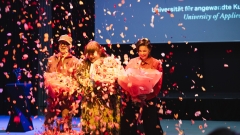
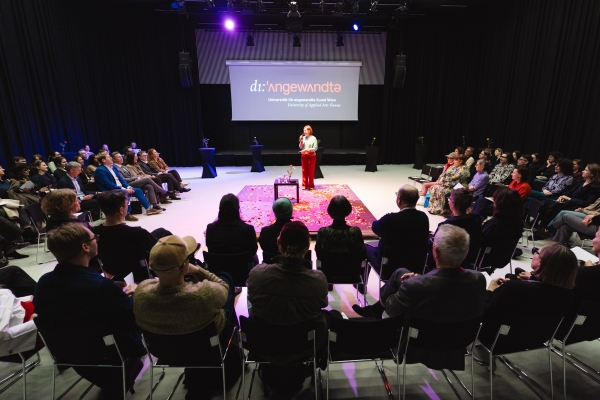
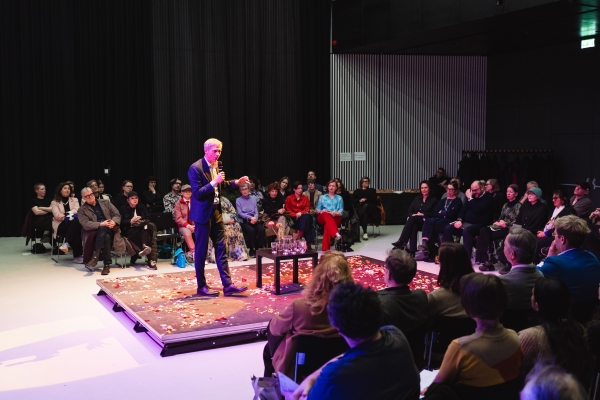
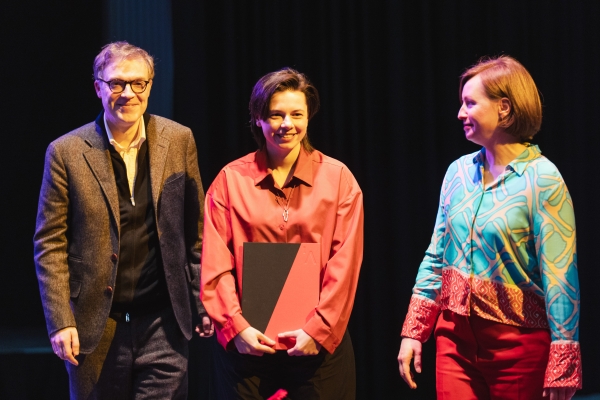
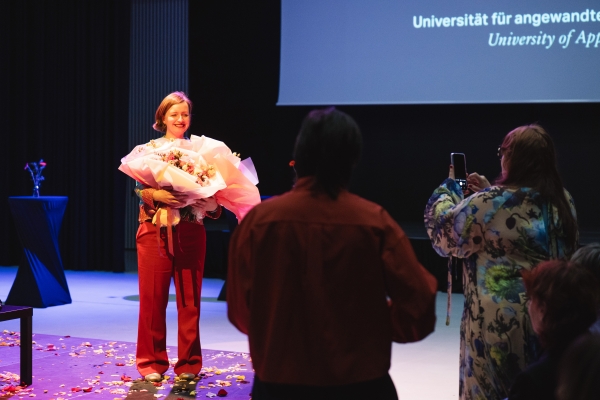
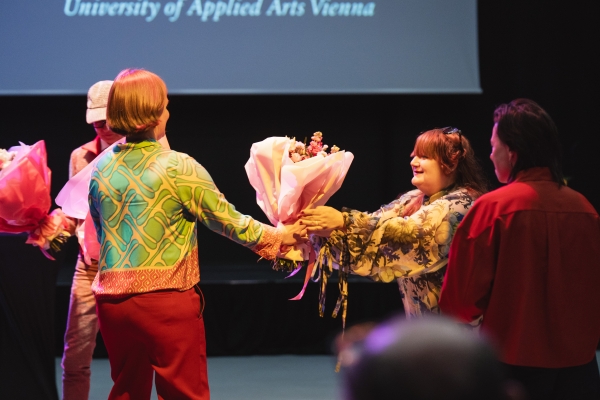
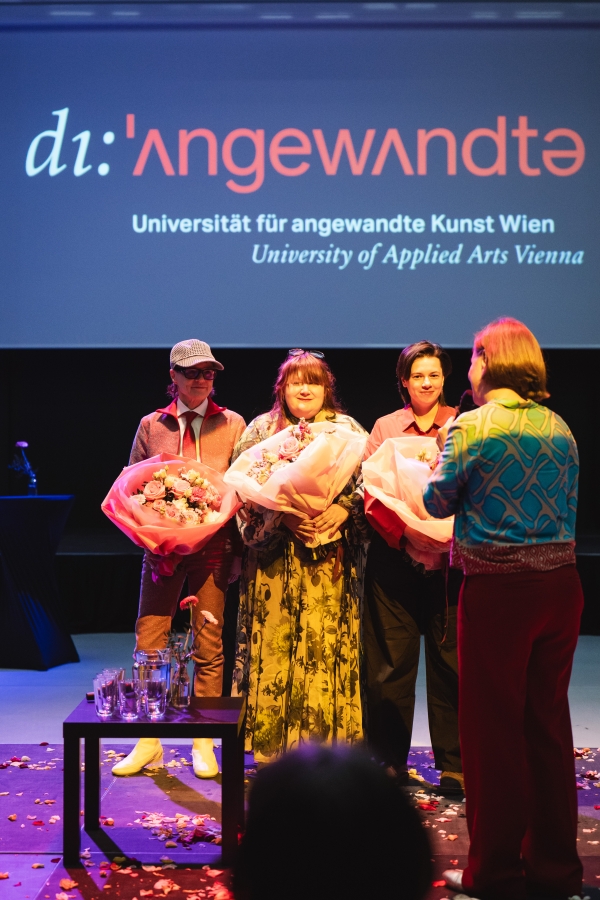
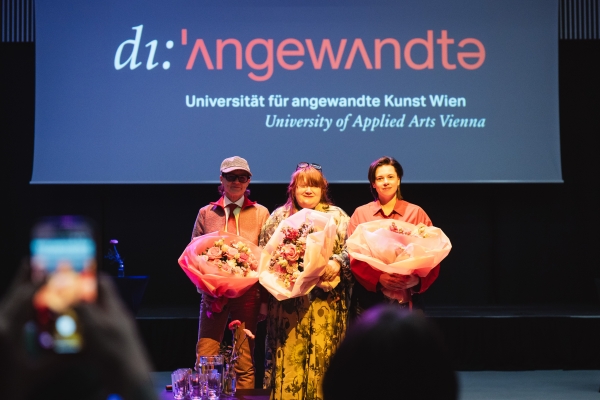
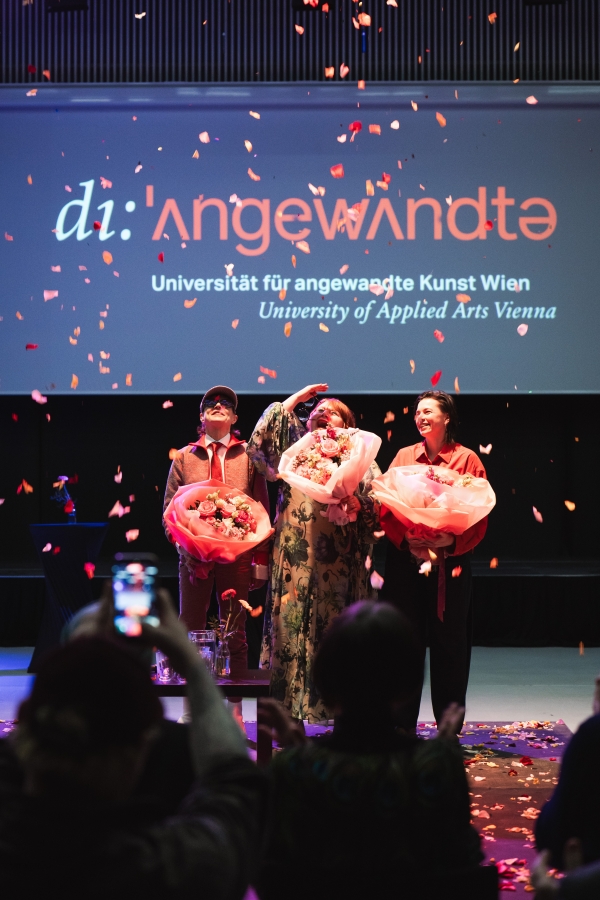
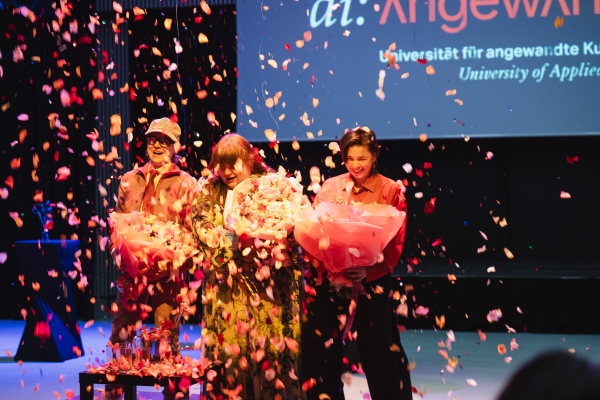
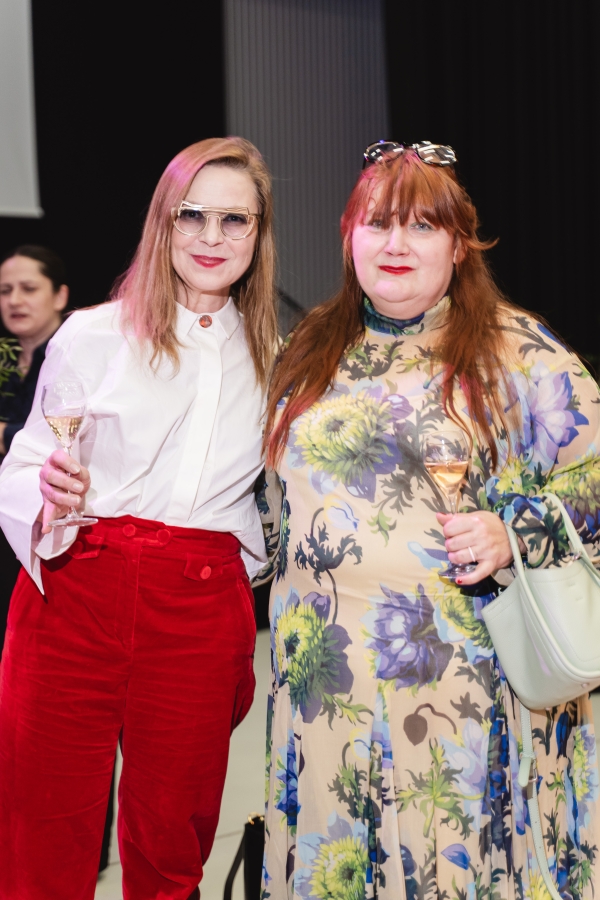
On 26 February
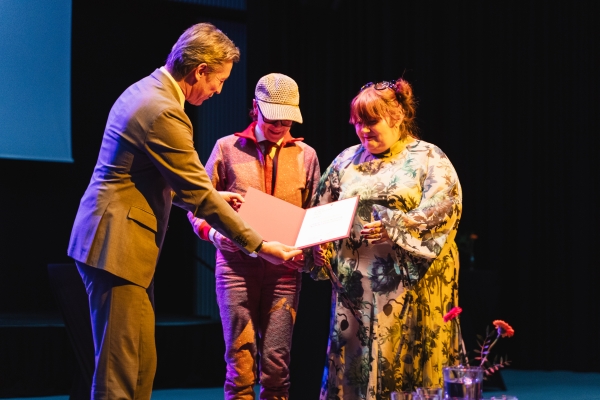
2026, Austrian artist duo Jakob Lena Knebl and Ashley Hans Scheirl were presented with the 2026 Oskar Kokoschka Prize at a
ceremony at the University of Applied Arts Vienna.
The prize jury, chaired
by Ulrike Kuch, Rector of the University of Applied Arts Vienna, honoured the duo's work as "a multi-layered artistic practice
that, through the interrelationship of their works, enables a precise performative further development of conceptual art,
painting and installation. The inspiring thematisation of queer-feminist and trans* body discourses, which is always visible
in their artistic works, makes direct, sometimes explicit references to the examination of gender identity and sexuality in
modernity, as also characterises the work of Oskar Kokoschka."
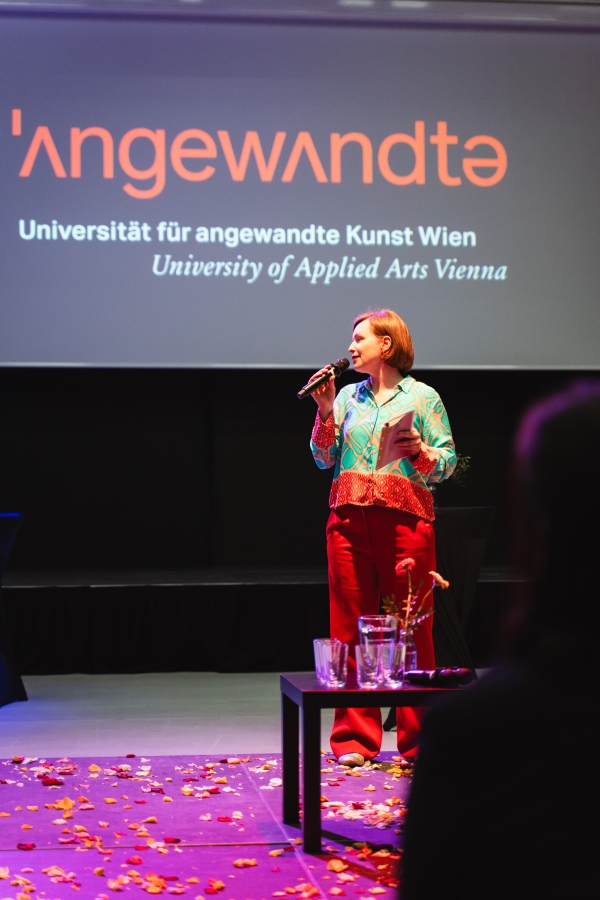
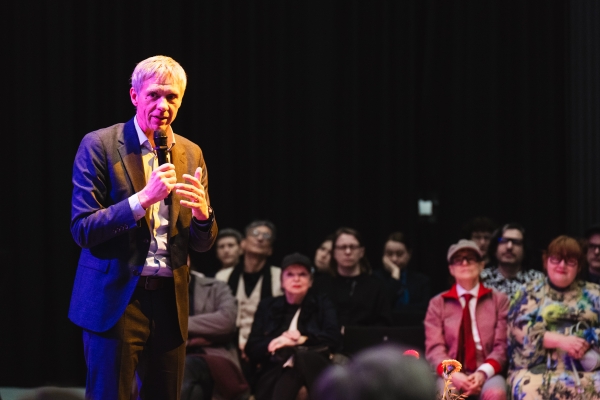
In her speech, Federal Minister Eva-Maria Holzleitner
emphasised the ‘essential importance of art for a vibrant democracy. Jakob Lena Knebl and Ashley Hans Scheirl put their finger
on the wounds of social developments and, with their art, contribute to opening eyes and upholding mutual respect.’
In
his laudatory speech, Thomas Trummer, director of the Kunsthaus Bregenz, described the art of Jakob Lena Knebl and Ashley
Hans Scheirl as a ‘work without beginning or end, a work of mutation and metamorphosis, characterised by a “motif of going
and moving on”. It is a work that is always transgressive and compilatory, and always continues.’
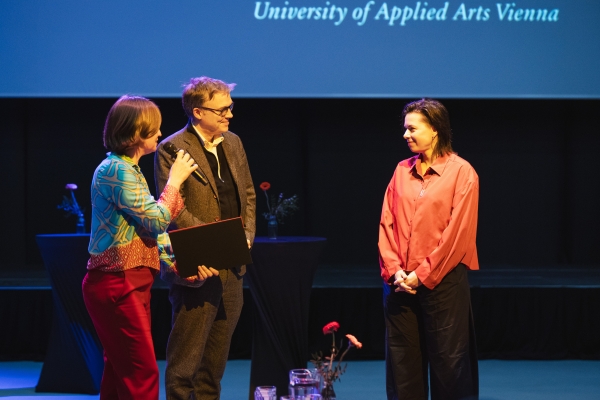
For the first and
only time, the Oskar Kokoschka Prize was awarded together with the Miriam Cahn Scholarship. The Swiss artist,
who was awarded the Oskar Kokoschka Prize in 2024, donated her prize money to a scholarship that will enable a visual artist
to pursue artistic activities after completing her studies. Natalia Gurova was selected as an artist whose
practice operates at the intersection of fiction, history and social structures. She deals with spaces and their social dimensions,
addressing issues of migration, queer identities and the politics of memory. In her work with wood, ceramics, metal, text
and found materials, she explores processes of fragmentation, reconstruction and recontextualisation.